Table of Contents
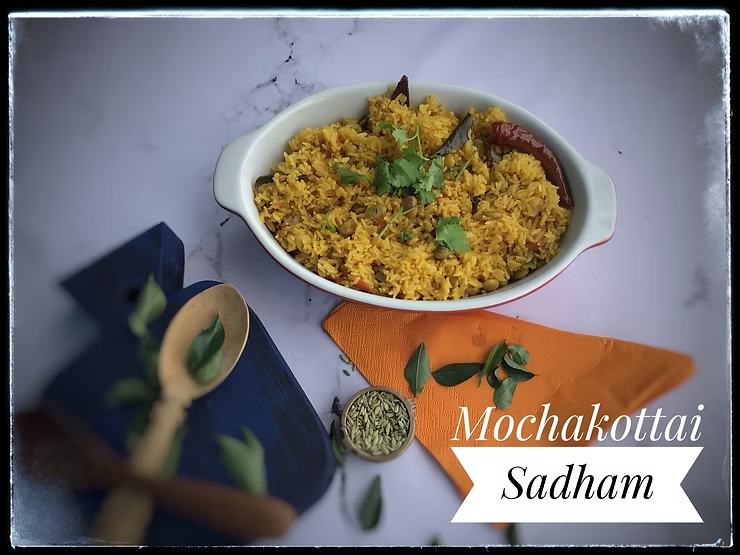
Mochakottai Sadham Recipe: Quick, Aromatic and Deeply Satisfying
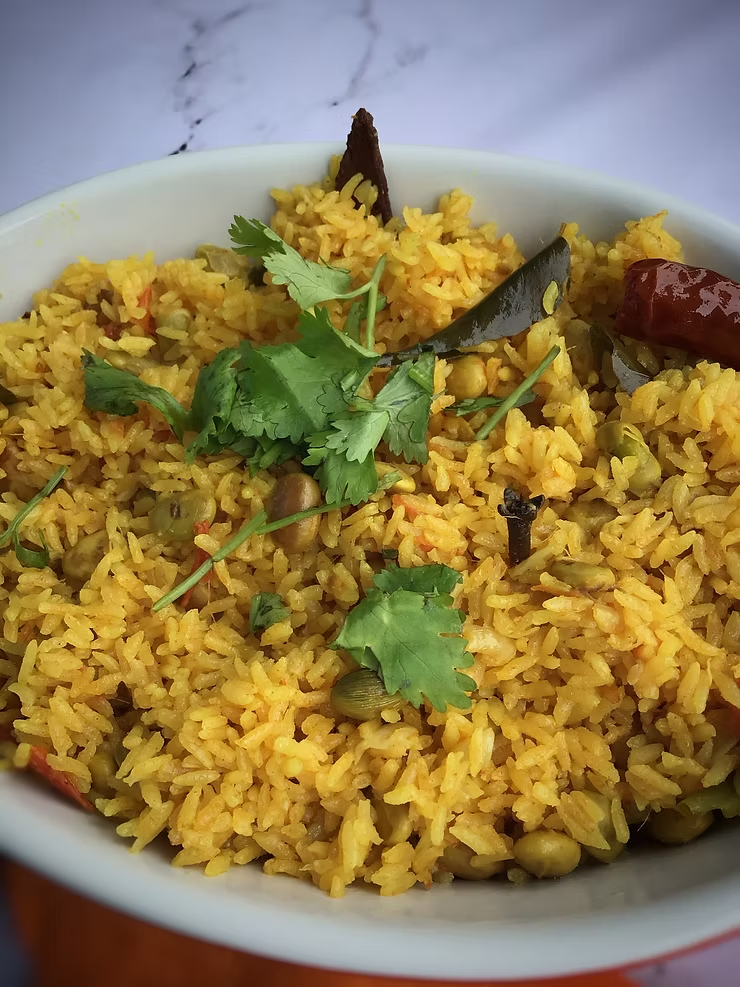
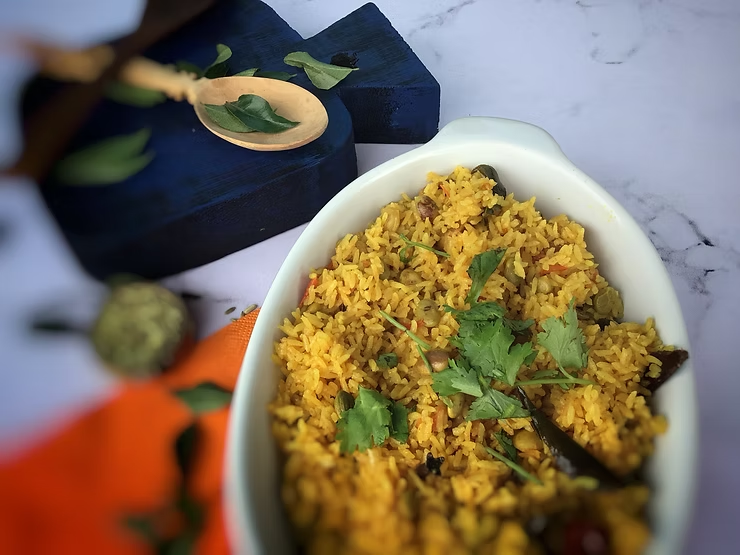
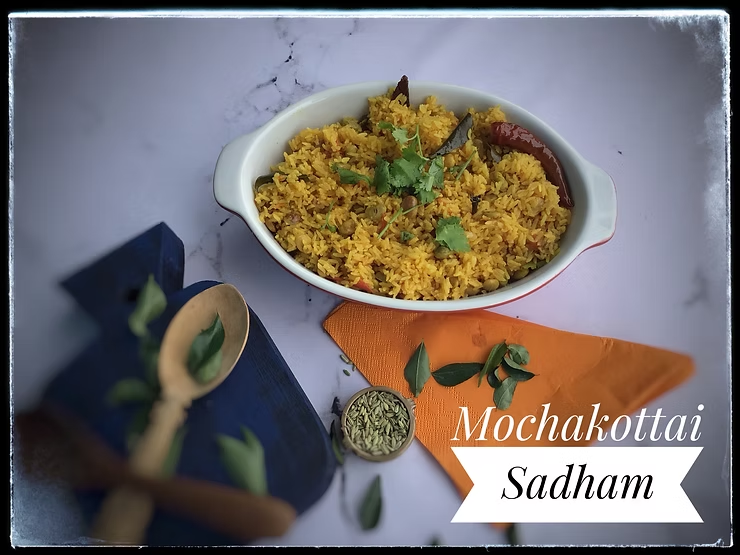
Some rice dishes look simple and taste like a celebration. This mochakottai sadham is one of them. Short, fragrant seeraga samba rice cooks with tender field beans, browned onions, tomato and whole spices into a mildly spicy, well-seasoned one-pot meal. It comes together quickly, yet the flavour is anything but basic. Ashha says it’s one of the most requested dishes at home, and it always wins over the people who taste it.
Recipe Creator – Ashha D.Raj
Recipe Overview
- Recipe name: Mochakottai Sadham
- Prep time: Not specified in the original recipe
- Cooking time: 30 minutes
- Total time: Not specified (30 minutes cooking, plus prep)
- Servings: 2
- Cuisine / course: South Indian one-pot rice
- Diet: Vegetarian
- Difficulty: Easy (pressure cooker, two-stage cooking)
- Flavour profile: Aromatic, mildly spicy, savoury
- Storage: Best within 1 day
Ingredients Overview
The base
- Seeraga samba rice, 1 cup: a small, aromatic rice that holds its fragrance
- Mochakottai (field beans / hyacinth bean seeds), 1 cup: protein, bite and an earthy flavour
Aromatics and vegetables
- Onion, 1, and tomato, 1: sweetness and tang that form the gravy base
- Ginger garlic paste, ¾ tsp: savoury depth
- Curry leaves, a few
Whole spices and heat
- Cinnamon (listed as “2”; the unit isn’t given), cloves, 2, cardamom, 2: warm fragrance
- Red chilli, 1, green chilli, 1, and chilli powder, ¾ tsp: layered heat
- Turmeric, ¼ tsp: colour and earthiness
Finishing
- Oil and ghee, 1½ tbsp combined, plus optional ghee at the end
- Salt to taste, and coriander leaves to garnish (used in the method, not listed)
Health Benefits and Nutritional Aspects
Mochakottai is a legume, so it adds plant protein and fibre to what would otherwise be a mostly carbohydrate meal. Seeraga samba rice provides energy, tomato brings a little vitamin C, and ginger, garlic and spices lift the flavour without much extra fat.
The recipe uses 1½ tbsp of oil and ghee together, with an optional spoon of ghee at the end. It’s vegetarian, vegan if you use oil only, and naturally gluten-free. Field beans should be cooked thoroughly, which the pressure cooker step does. I haven’t listed nutrition values, since they depend on portions and how much ghee you add.
Step-by-Step Preparation
- Heat the fat: In a pressure cooker, warm oil and ghee. Let the whole spices sputter after adding them.
- Add chillies and leaves: Toss in the green and red chillies and curry leaves.
- Brown the onions: Add the onions and cook until browned.
- Add ginger garlic paste: Toss briefly.
- Cook the tomato: Add the tomato and salt, and let it turn mushy.
- Put the powders in: Add the chili powder and turmeric and stir.
- Cook the beans first: Add the mochakottai and toss. Add water, close and pressure cook for one or two whistles. (The page doesn’t say whether the beans are soaked, so follow your usual practice for the type you have.)
- Add the rice: Once the pressure releases, add more water and then the rice.
- Check and cook: Taste for salt and spice, close, and cook for 10 minutes.
- Finish: Release the pressure, mix in ghee if you like, and garnish with coriander leaves.
- Serve: Enjoy hot with raita.
Mistake to avoid: Skipping the salt check before adding the rice. Adjust the seasoning at this stage, as the recipe advises.
Tips for the Best Results
- Cook the beans until soft before the rice goes in, as the recipe’s two-stage method does.
- Brown the onions properly. They give the rice its savoury base.
- Add water carefully. The page doesn’t give amounts, so measure the second addition for the rice.
- For a softer meal, use less chili powder.
- Stir gently after releasing the pressure so the grains stay whole.
- Store leftovers covered and eat within a day, sprinkling a little water before reheating.
Frequently Asked Questions
1. What is mochakottai?
It’s field beans, also called hyacinth bean seeds, used in Tamil cooking.
2. What does mochakottai sadham go with?
Raita, as suggested in the original recipe.
3. Can I use another rice?
The recipe is made with seeraga samba, so another rice may need different water and timing.
4. Why cook the beans before the rice?
Beans take longer to soften, so they get a head start, as in the recipe’s two-stage method.
5. Is it vegan?
If you only use oil and omit the ghee, it might be.
6. How long does it keep?
About 1 day, going by the recipe’s storage note.
Try Another Rice Dish
If you enjoyed this recipe, try Coconut Milk Pullav for another delicious homemade meal.
Conclusion
This mochakottai sadham proves that a handful of everyday ingredients can make a standout meal. Browned onions, whole spices, tender beans and fragrant rice come together in one pot. Serve it with a cooling raita and enjoy a comforting South Indian classic.
Follow Us
Follow Ashha D.Raj and Baby Amma’s Kitchen for more South Indian recipes: