Table of Contents
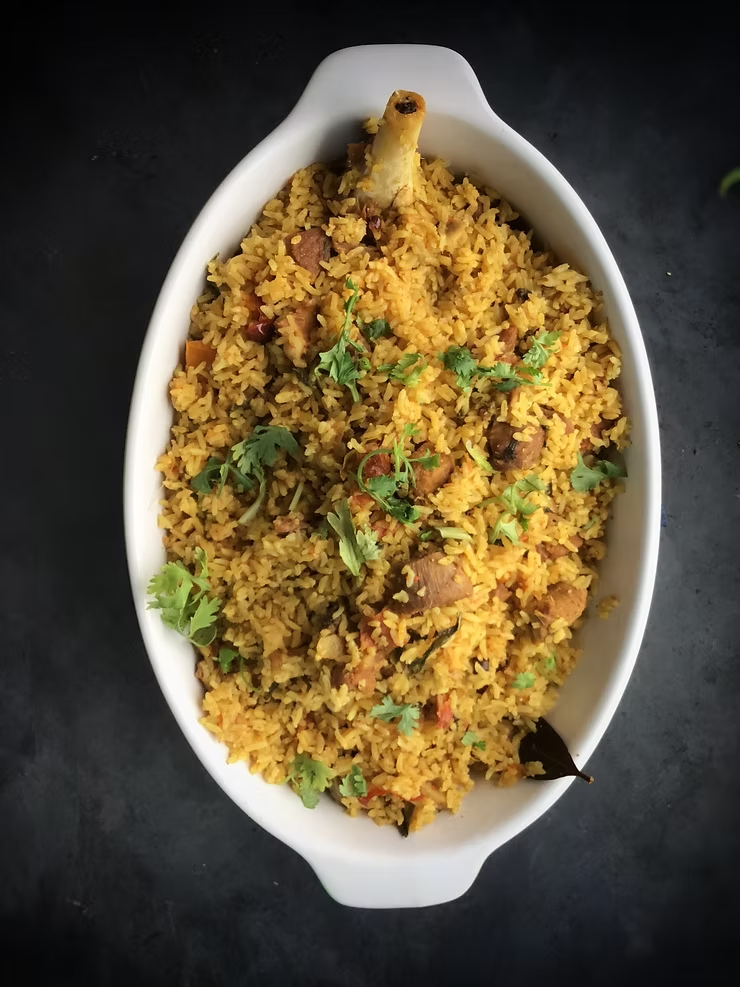
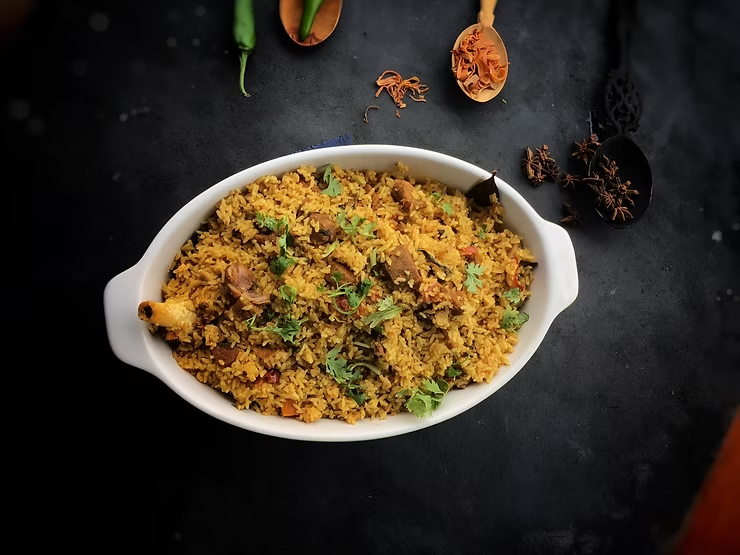
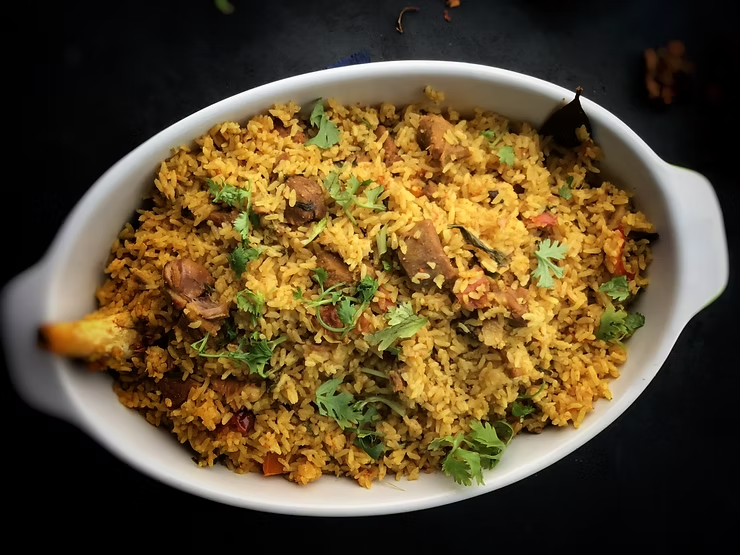
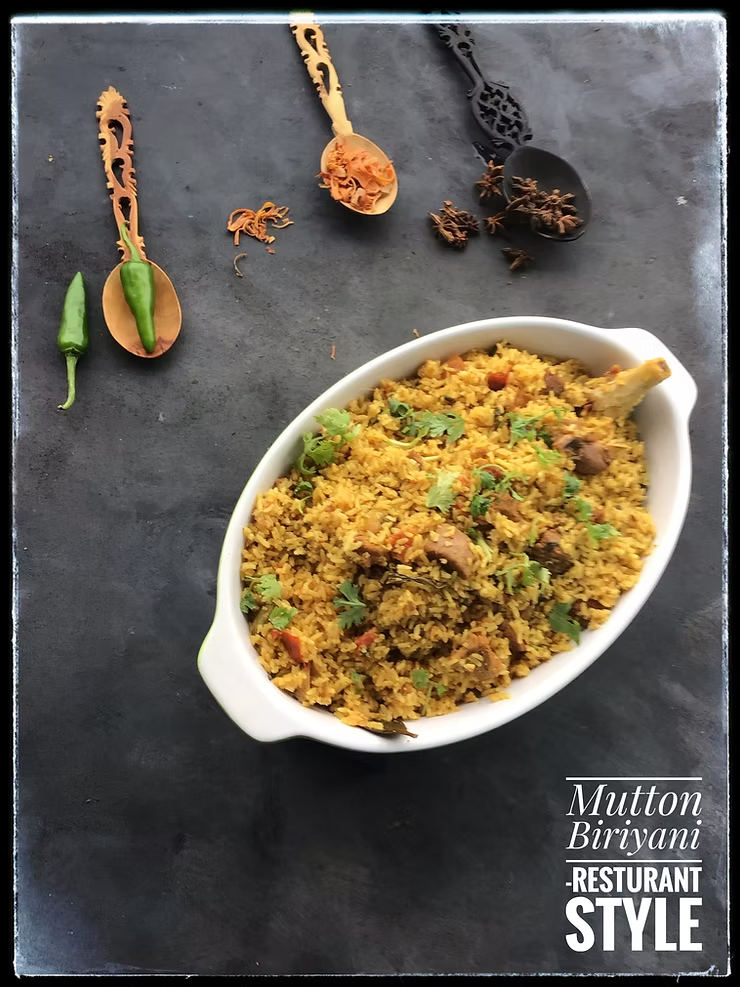
Mutton Biryani Restaurant Style: A One-Pot Celebration with a Rich Cashew Finish
Some dishes make an entrance. This mutton biryani is the kind that turns up at weddings, festivals and every big family gathering, and for good reason. Whole spices, mint and curds flavour tender mutton, and seeraga samba rice then cooks in the same pot. What makes this version special is a smooth paste of cashews and poppy seeds, stirred in with the rice for a rich, restaurant-style finish. Ashha says it steals the show, and that it’s easy, simple and tasty.
Recipe Creator – Ashha D.Raj
Recipe Overview
- Recipe name: Mutton Biriyani – Restaurant Style
- Cooking time: 45 minutes
- Total time: Not specified (45 minutes cooking, plus grinding and prep)
- Servings: 4
- Cuisine / course: South Indian biryani (one-pot)
- Diet: Non-vegetarian
- Difficulty: Moderate (pressure cooker, two stages)
- Flavour profile: Rich, aromatic, mildly spicy, herby
- Storage: Best within 1 day
Ingredients Overview
The main ingredients
- Mutton, 700 g: the hearty centrepiece
- Seeraga samba rice, 2 cups: small, aromatic grains that absorb the masala
- Curds, 1 cup, and lime juice, 1 lime: tang that tenderises and brightens
The whole spices
- Bay leaf, 2, cinnamon, 2 inches, green and black cardamom, 2 each, mace, 2 pieces, star anise, 2, cloves, 2–3, and kalpasi (black stone flower), a few: the layered biryani fragrance
Aromatics and base
- Onions, 2 (sliced), tomatoes, 3 (chopped), and ginger garlic paste, 1½ tsp: sweetness, tang and depth
- Mint leaves, 2 handfuls: freshness
- Red chillies, 3, green chillies, 4, chilli powder, 1½ tsp (to taste), fennel powder, 1½ tsp, and turmeric, ¼ tsp
The rich finish
- Cashews, 6–7 (for frying), plus cashews, 6–7, and poppy seeds, 1 tsp (ground to a paste): creamy richness
- Oil and ghee, 1½–2 tbsp combined; salt (no amount given); coriander leaves and optional ghee
Health Benefits and Nutritional Aspects
Mutton Biryani provides protein, along with iron, zinc and vitamin B12, and curds add a little more protein and calcium. Mint, ginger, garlic and whole spices flavour the biryani so you can cook with modest fat, just 1½–2 tbsp of oil and ghee for the whole pot. Cashews and poppy seeds add richness.
It’s a hearty, celebratory dish, so a measured portion with raita suits it well. It’s naturally gluten-free as written, but contains nuts, so avoid it with a nut allergy. I haven’t listed calories or nutrient values, since they depend on the cut of mutton and portion size.
Step-by-Step Preparation
- Make the paste: Grind the cashews and poppy seeds to a paste.
- Temper the spices: Heat oil and ghee in a pressure cooker and add all the whole spices.
- Fry the aromatics: Add the cashews, green and red chillies and let them change colour. Add the onions and let them change colour, then the turmeric.
- Soften the tomatoes: Add them and let them turn mushy.
- Add the paste and mutton: Add the ginger garlic paste and toss until the raw smell leaves, then add the mutton and a handful of mint.
- Season: Add chilli powder, salt and curds and mix.
- Pressure cook: Add 1 cup of water, close the lid and cook for 10–12 minutes, until the meat is about ¾ done.
- Measure the water: After the pressure releases, measure the liquid with the meat. The ratio is 1 rice : 2 water, adjusted for what’s already there.
- Add the rice: As the water boils, add the rice, mint, cashew-poppy paste, fennel powder, lime juice and salt if needed.
- Dum cook: Close and cook on a slow flame for 10–12 minutes.
- Finish: After the pressure releases, mix gently, garnish with coriander leaves and drizzle ghee if you like.
- Serve: Enjoy hot with raita.
Mistake to avoid: Forgetting to count the liquid from the meat. Adjust the water, or the rice will turn soft.
Tips for the Best Results
- Cook the mutton until about ¾ done before adding the rice, as the recipe instructs.
- Brown the onions and cook the tomatoes until fully mushy.
- Check the salt before adding the rice, since the liquid will season everything.
- Stir the cashew-poppy paste in at the rice stage for the richest finish.
- Cook the rice on a slow flame and mix gently so the grains stay whole.
- Store leftovers covered and eat within a day, with raita on the side.
Frequently Asked Questions
1. What does the cashew and poppy seed paste do?
It gives the mutton biryani a lovely, rich taste, and it’s the highlight of this recipe.
2. What should I serve it with?
Raita, as suggested in the original recipe.
3. Why seeraga samba rice?
Its small grains absorb the masala and add aroma.
4. How much water do I add?
Use a ratio of 1 rice to 2 water, then adjust for the liquid already released by the mutton.
5. How spicy is it?
Moderately, with 3 red chillies, 4 green chillies and 1½ tsp chilli powder “to taste.” Reduce them if you prefer.
6. How long does it keep?
About 1 day, going by the recipe’s storage note.
Try Another Biryani
If you enjoyed this recipe, try Kuska Biriyani for another delicious homemade meal.
Conclusion
This mutton biryani brings restaurant-style richness to a single pot. Tender mutton, aromatic seeraga samba rice and a silky cashew-poppy seed paste make a dish worthy of any special occasion. Serve it with cool raita and enjoy the applause.
Follow Us
Follow Ashha D.Raj and Baby Amma’s Kitchen for more South Indian recipes: