Table of Contents
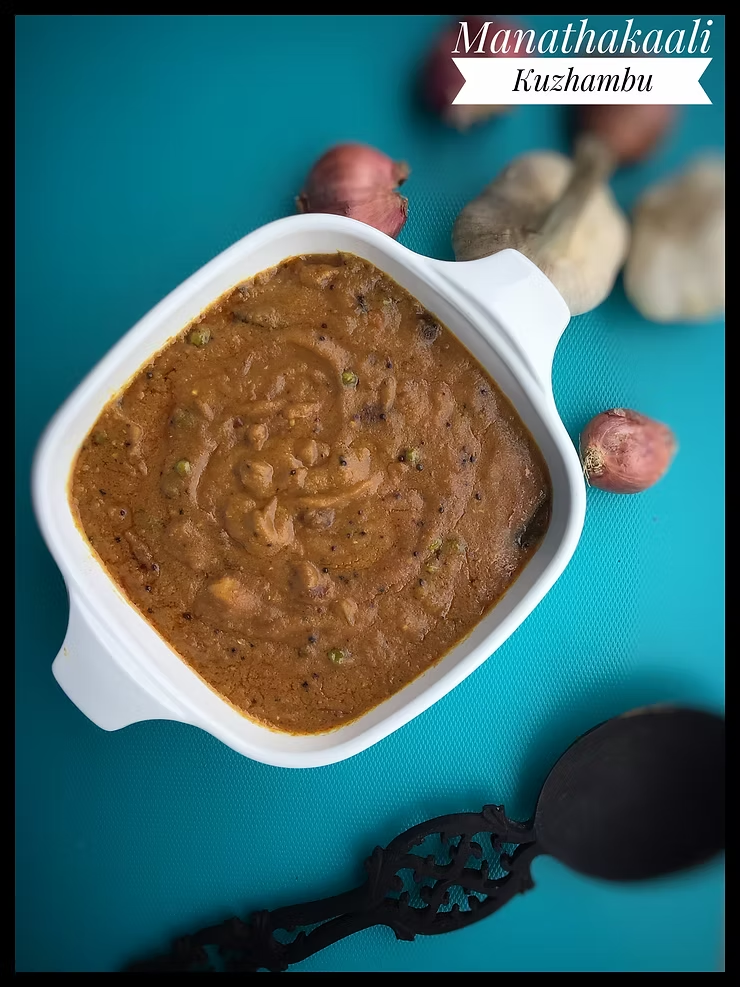
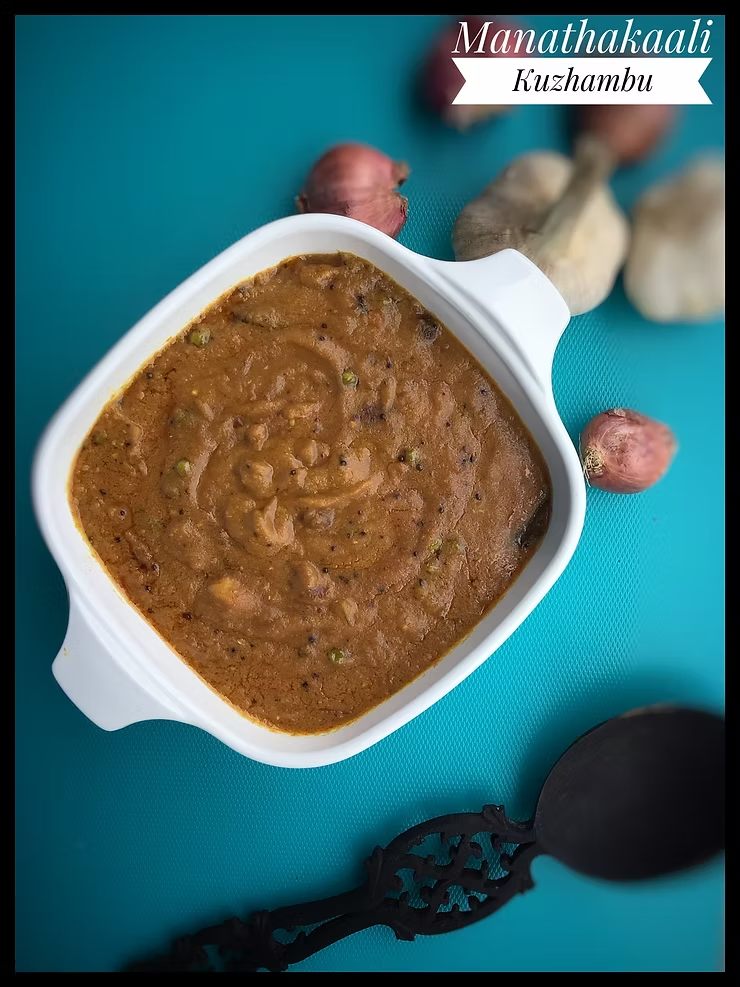
Manathakkali Kuzhambu: A Tangy, Spiced South Indian Classic
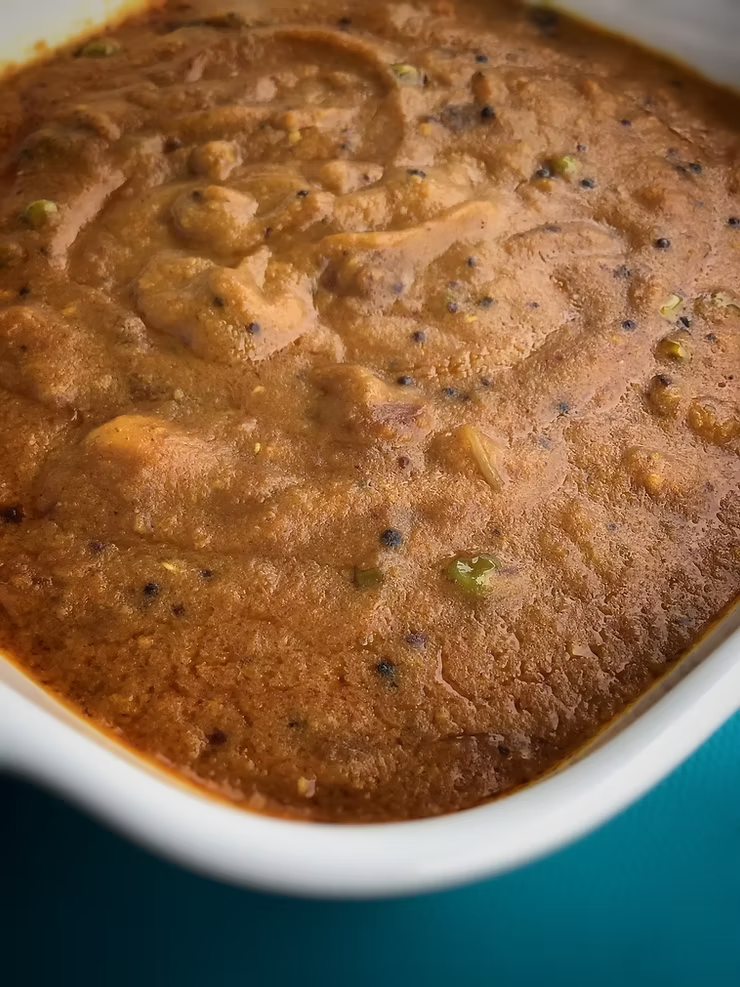
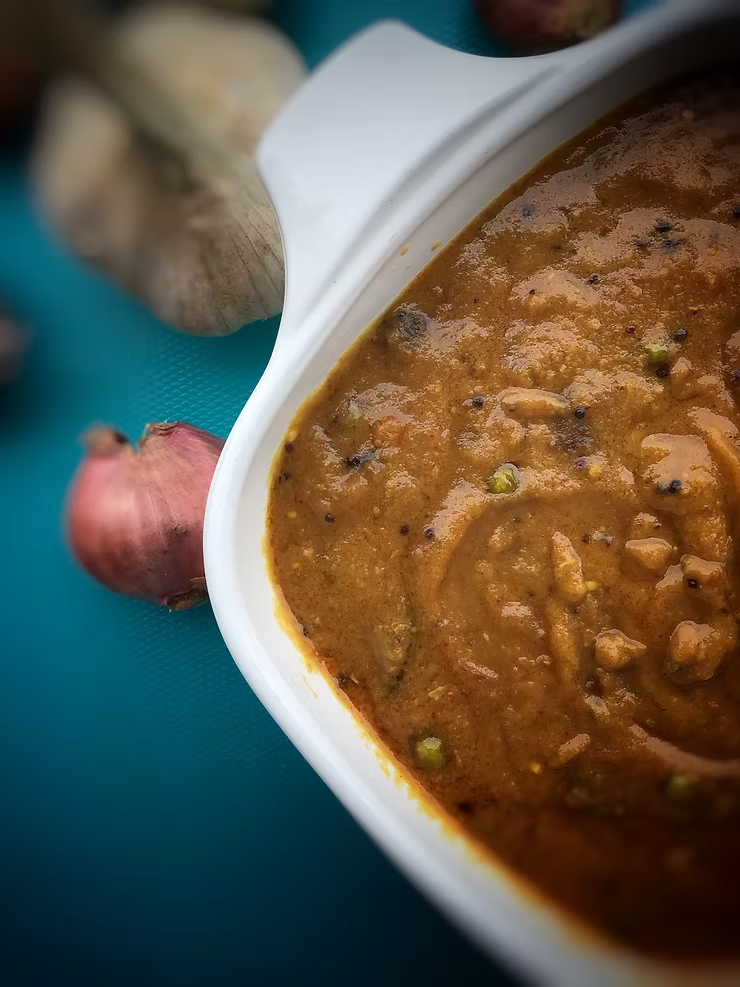
Some dishes keep people coming back for second helpings, and this manathakkali kuzhambu is one of them. Tamarind gives it a bright tang, while a freshly ground paste of roasted onion, red chilli, coriander seeds and coconut adds depth and a gentle sweetness. Fried manathakkali brings its own distinctive, slightly bitter character, which the tamarind and spices balance beautifully. Pour it over hot rice and you’ll see why it’s a long-time household favourite.
Recipe Creator – Ashha D.Raj
Recipe Overview
- Recipe name: Manathakkali Kuzhambu
- Cooking time: 30 minutes
- Preparation and total time: Not specified on the original page
- Servings: 4
- Cuisine/category: South Indian, kuzhambu (vegetarian gravy)
- Difficulty: Easy to moderate, because of the frying and grinding steps
- Flavour profile: Tangy, spicy and earthy, with a mild coconut richness
Ingredients Overview
Main ingredient
- Manathakkali (1 cup) is the star. It’s fried first until it cracks, which mellows its flavour.
Base and tempering
- Small onions (8), garlic (7–8), red chilli (1) and a few curry leaves.
- Mustard and urad dhal for tempering (see the note above).
Souring agent
- Tamarind extract (1 cup) gives the kuzhambu its tang and balances the manathakkali.
Roast-and-grind paste
- Red chilli (4), small onions (8–10), coriander seeds (1 tbsp), turmeric (¼ tsp) and coconut (2 tbsp) make a thick, aromatic base.
- Puffed gram (1 tsp, optional) adds body.
Seasoning: Salt to taste.
Health Benefits and Nutritional Aspects
This is a plant-based dish built on everyday South Indian ingredients. Small onions and garlic contribute to flavor and fiber. Manathakkali uses coriander seeds, turmeric, and tamarind that is sour yet doesn’t require a lot of salt. Coconut gives a rich taste, although its consumption should be moderate.
Manathakkali has been an integral part of cooking at homes for a long time already, yet this dish should be viewed as a flavorful one and not medicine. Purchase manathakkali from a reliable supplier, and not gather yourself. This dish is vegetarian and can fit into any plant-based diet. Since manathakkali is eaten with rice, have some vegetables as well.
Step-by-Step Preparation
- Fry the manathakkali: Heat oil in a kadai and fry it until it cracks. Set aside.
- Make the paste: In the same kadai, add a little more oil if needed. Fry the onions and red chilli until they change colour. Add coriander seeds and turmeric and toss. Add coconut and mix, then blend everything into a smooth paste.
- Tempoer: Heat the oil in kadai. Throw in the mustard seeds and urad dhal and allow them to sputter
- Sauté aromatic ingredients: Add the chopped onions, garlic, curry leaves and red chilli and sauté them.
- Tamarind: Add the tamarind extract and bring it to a boil
- Combine: Add the ground paste along with the water, salt, and manathakkali fry into it
- Simmer: Continue cooking till the oil appears on the surface
- Serve: Enjoy hot with rice, dosa or idli.
Common mistake: Taking the kuzhambu off the heat too early. Simmer until the oil separates, or the tamarind and paste will taste raw.
Tips for the Best Results
- Fry the manathakkali on medium heat. It should crack but not blacken, as burnt pieces turn bitter.
- Blend the paste until completely smooth for a velvety gravy.
- Add water gradually so the kuzhambu doesn’t become too thin.
- Adjust the sourness by using slightly less or more tamarind extract.
- Serve with a spoon of sesame oil or ghee if you like. This is a serving idea, not part of the original recipe.
- Storage: the page recommends finishing it within 1 day. Reheat gently, adding a little water if it thickens.
Frequently Asked Questions
What does manathakkali kuzhambu taste like?
It has a mild bitterness. In this recipe, frying it and cooking it with tamarind and spices balances that flavour.
What can I serve with this manathakkali kuzhambu?
Hot steamed rice is the classic partner. The page also suggests dosa and idli.
Can I leave out the puffed gram?
Yes, it’s optional. The kuzhambu will simply be slightly less thick.
Is manathakkali kuzhambu vegan?
Based on the listed ingredients, yes. If you add ghee when serving, it’s no longer vegan.
How do I make it less spicy?
Reduce the red chillies, especially the four in the roast-and-grind mix.
Try Another Dish
If you enjoyed this recipe, try our Pongal Kuzhambu for another delicious homemade South Indian meal.
Conclusion
Tangy, spicy and deeply comforting, this manathakkali kuzhambu is a satisfying 30-minute dish rooted in traditional South Indian cooking. Roasted spices, tamarind and coconut come together into a gravy that’s perfect with rice. Try it at your next family meal, and let us know how it turned out.
Follow Baby Amma’s Kitchen
Enjoy more South Indian recipes from Ashha D.Raj: