Table of Contents
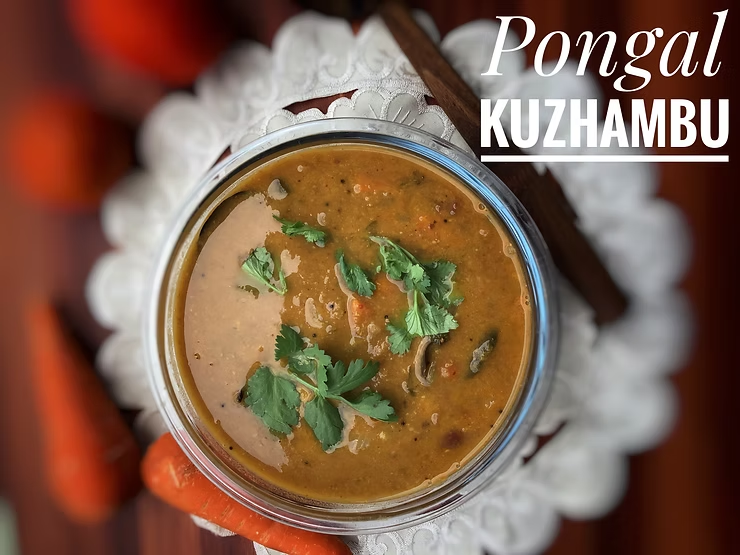
Pongal Kuzhambu Recipe: A Fragrant Harvest-Time Gravy
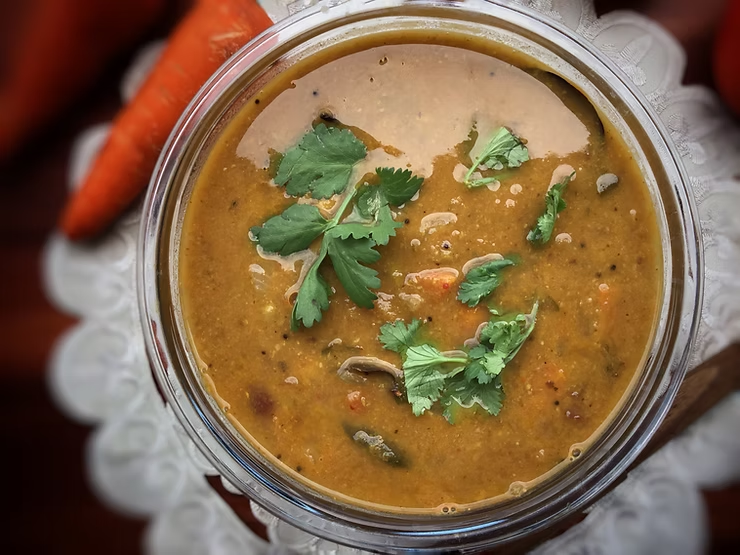
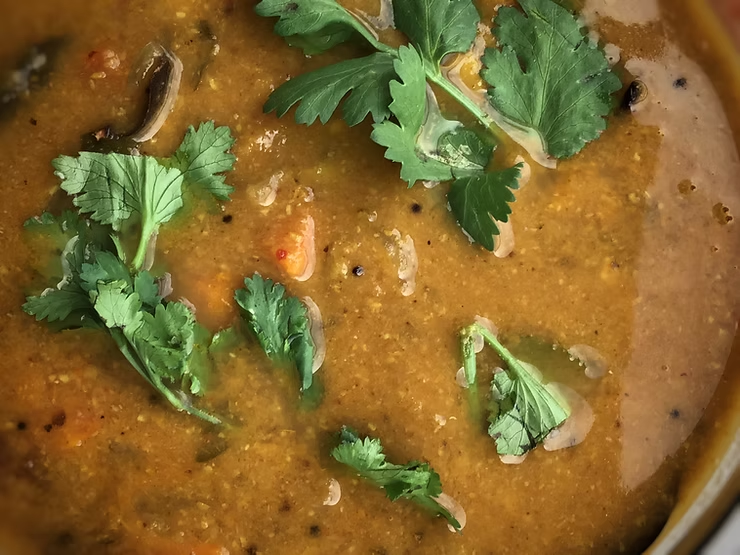
If ven pongal is the comfort, then this gravy is the celebration that goes alongside it. This pongal kuzhambu is richly aromatic, tangy and thick with vegetables, thanks to a roasted paste of red chillies, small onions, garlic and coconut. Toor dal makes it creamy, and tamarind brings a gentle sourness. Ashha remembers her grandmother cooking it in the village during harvest time, when fresh, organic vegetables were everywhere.
Recipe Creator – Ashha D.Raj
Recipe Overview
- Recipe name: Pongal Kuzhambu
- Prep time: Not specified in the original recipe
- Cooking time: 40 minutes
- Total time: Not specified (40 minutes cooking, plus grinding and prep)
- Servings: 4
- Cuisine / course: South Indian kuzhambu (vegetable gravy)
- Diet: Vegetarian
- Flavour profile: Aromatic, mildly tangy, spicy
- Storage: Best within 1 day
Ingredients Overview
The gravy base
- Cooked toor dal, 1 cup: creamy body and protein
- Cooked broad beans, 1 cup, and mixed vegetables, 1 cup: substance and a mix of textures
- Onion, 1, and tomato, 1: sweetness and tang
- Tamarind extract, 2 tbsp: a gentle sourness
The paste (fried in oil, then ground)
- Red chillies, 6: heat and colour
- Small onions, 10, garlic, 6, and ginger, ½ inch: depth and warmth
- Coconut, 2 tbsp: richness
- Coriander seeds, 1 tbsp, cumin, ½ tsp, and a few curry leaves: aroma
Tempering and finishing
- Mustard and urad dal, ¼ tsp each; asafoetida, ¼ tsp
- All spice leaves, 2 (optional)
- Oil and ghee, 3 tsp combined, and salt to taste
- Coriander leaves and a drizzle of ghee to finish (optional)
Health Benefits and Nutritional Aspects
Toor dal and broad beans are good sources of plant protein and fibre, so the gravy is filling without being heavy. Mixed vegetables bring vitamins and minerals, and tomatoes add a little vitamin C. Coriander seeds, cumin and curry leaves are traditional flavourings that make the dish taste rich without too much oil.
Coconut and ghee add richness, but the recipe uses just 3 tsp of oil and ghee together. It’s vegetarian, and it’s vegan if you use only oil and skip the ghee. If you need it gluten-free, check your asafoetida, since some brands are blended with wheat flour. I haven’t listed nutrition values, since they depend on your vegetables and portions.
Step-by-Step Preparation
- Make the paste: Fry the red chillies, small onions, garlic, ginger, coconut, coriander seeds, curry leaves and cumin in oil. Grind to a paste.
- Temper: In a heavy-bottomed vessel, heat oil. Add mustard, urad dal and the spice leaves. (The method doesn’t say when to add asafoetida, so most cooks add it here.)
- Add onions: Cook until they change colour.
- Add tomato: Let it turn mushy.
- Stir in the paste: Give it a good stir.
- Add the vegetables: Add the mixed vegetables, then the cooked broad beans.
- Bring it together: Add the cooked toor dal, tamarind extract and salt, and stir.
- Simmer: Cook the vegetables under cover until they are tender. If the raw smell lingers, let it boil for a few more minutes.
- Finish: Garnish with coriander leaves and, if you like, drizzle ghee on top.
Mistake to avoid: Serving it too soon. The raw smell of the paste should be gone before it reaches the table.
Tips for the Best Results
- Fry the paste ingredients well so the gravy tastes roasted, not raw.
- Cook the toor dal and broad beans until soft before they go in.
- Add the tamarind gradually if your tamarind is very sour.
- Reduce the red chillies for a milder gravy.
- Keep the consistency spoonable, not watery, by adding water a little at a time. The page doesn’t give an amount.
- Store leftovers covered and eat within a day. If necessary, add a dash of water and gradually warm.
Frequently Asked Questions
1. What goes well with pongal kuzhambu?
The original recipe suggests pongal, dosa, idli or rice.
2. Which vegetables can I use?
The recipe calls for mixed vegetables and cooked broad beans. Ashha mentions pumpkin as a harvest-time favourite.
3. Are the spice leaves necessary?
No, the recipe marks them as optional.
4. Is it spicy?
Moderately, thanks to 6 red chillies in the paste. Use fewer for a gentler version.
5. Can I skip the ghee?
Yes, the final drizzle is optional.
6. How long does it keep?
About 1 day, going by the recipe’s storage note.
Try Another Pongal
If you enjoyed this recipe, try Barnyard Millet Pongal for another delicious homemade meal.
Conclusion
This pongal kuzhambu is a warm, aromatic reminder of village kitchens and harvest-time cooking. A roasted spice paste, tender dal and vegetables, and a touch of tamarind make it a wonderful partner for ven pongal and plenty of other South Indian favourites.
Follow Us
Follow Ashha D.Raj and Baby Amma’s Kitchen for more South Indian recipes: