
Table of Contents
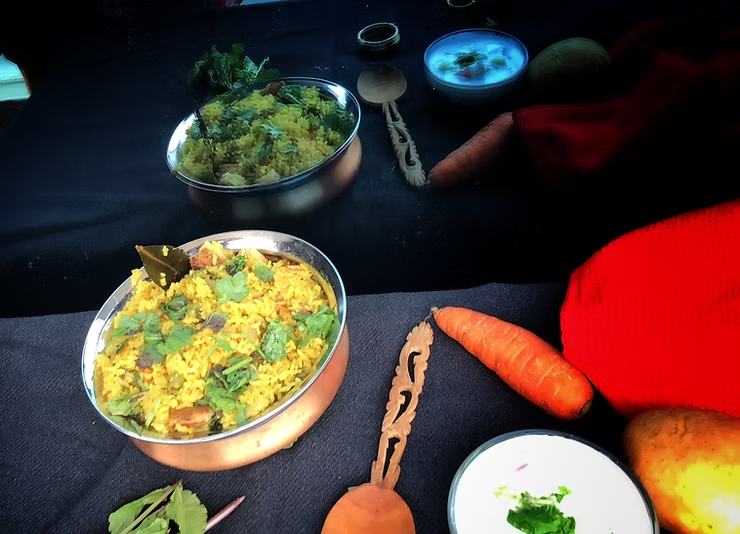
Vegetable Biryani with Coconut Milk and Fresh Mint
A good vegetable biryani can easily outshine a meat dish. Seeragasamba rice slowly absorbs coconut milk, mint and whole spices. Soft potato, carrot and peas add colour and sweetness to each spoonful. It all cooks in one pot, so it suits a lazy weekday just as well as a festive spread.
Recipe Creator – Ashha D.Raj
Recipe Overview
- Recipe name: Vegetable Biryani (Veg Biriyani)
- Cooking time: 40 minutes
- Servings: 4 people
- Cuisine: South Indian
- Course: Biryani
- Diet: Vegetarian
- Difficulty: Easy, one-pot cooking
- Flavour profile: Mildly spicy, creamy, minty and aromatic
- Storage: Up to 1 day
Ingredients Overview
Rice and liquids
- Seeragasamba rice (1½ cups): the short, aromatic grain that gives biryani its signature fragrance
- Coconut milk (1½ cups) and water (1½ cups): they cook the rice and add richness
- Curds (½ cup): adds a gentle tang
Vegetables
- 1 potato (diced), 1 carrot (cubed) and a handful of peas
- 2 onions and 2 tomatoes (sliced): they form the soft, mushy masala base
Whole spices and nuts
- 2 bay leaves, 2 cardamom pods, 1 star anise, a 1-inch cinnamon stick and 6–7 cashews: they build the aroma, and the cashews add a gentle crunch
Seasonings and herbs
- Ginger garlic paste (1½ tsp), turmeric (¼ tsp), chilli powder (½–¾ tsp), fennel powder (1 tsp), salt, oil (1½ tbsp)
- A handful of coriander and mint leaves each
- Optional: 2 green chillies and ½ a lime
Health Benefits and Nutritional Aspects
This vegetable biryani brings several wholesome ingredients together. Carrots offer vitamin A-rich beta-carotene, and peas contribute plant protein and fibre. Potatoes provide energy and potassium, while tomatoes add vitamin C. Curds contribute some protein and calcium, and mint, coriander and ginger add flavour without much extra salt or oil.
Coconut milk makes the dish rich, so it is best enjoyed in sensible portions. The recipe uses just 1½ tablespoons of oil for four servings. Serving it with raita and a fresh salad makes for a balanced meal.
Step-by-Step Preparation
- Heat oil in a pressure cooker. Add the whole spices and cashews and let them sizzle.
- Add the onions and green chillies and cook until the onions change colour.
- Cook the tomatoes until they become soft after adding them.
- Stir in the ginger garlic paste, then the turmeric and mint leaves.
- Add the vegetables, chilli powder and curds, and toss well.
- Gently stir in the rice and salt.
- Pour in the coconut milk, water and fennel powder, and stir.
- When it begins to boil, add the remaining mint and coriander leaves and the juice of half a lime.
- Place a dosa tawa on the heat and set the cooker on top. This gives a dum effect. Close the cooker and cook under pressure for 10–12 minutes.
- Release the pressure, then mix gently.
- Serve hot with raita after adding a coriander garnish.
Tips for the Best Results
- Stick to seeragasamba rice for the authentic aroma and texture.
- Let the tomatoes turn properly mushy before adding the paste. This gives a smooth masala base.
- Adjust the chilli powder within the ½–¾ tsp range to suit your family.
- Use the tawa under the cooker. It spreads the heat evenly and helps avoid scorching at the bottom.
- Mix gently after releasing the pressure so the grains stay whole.
- Leftovers should be consumed within a day after being refrigerated.
Frequently Asked Questions
What rice is best for vegetable biryani?
This recipe uses seeragasamba, a small aromatic grain that holds the spices well.
Can I make it less spicy?
Yes. Skip the optional green chillies and keep the chilli powder at the lower end of the range.
Is this vegetable biryani vegan?
As written, it contains curds, so it is vegetarian but not vegan. Check suitable plant-based substitutes before making changes, as they may alter the taste.
What should I serve with it?
Raita is the classic partner. A fresh salad or papad also works.
How long does it keep?
The recipe suggests storing it for 1 day.
Why use a dosa tawa under the cooker?
It creates a gentle dum effect, similar to traditional slow-sealed biryani cooking.
Try Another Biryani
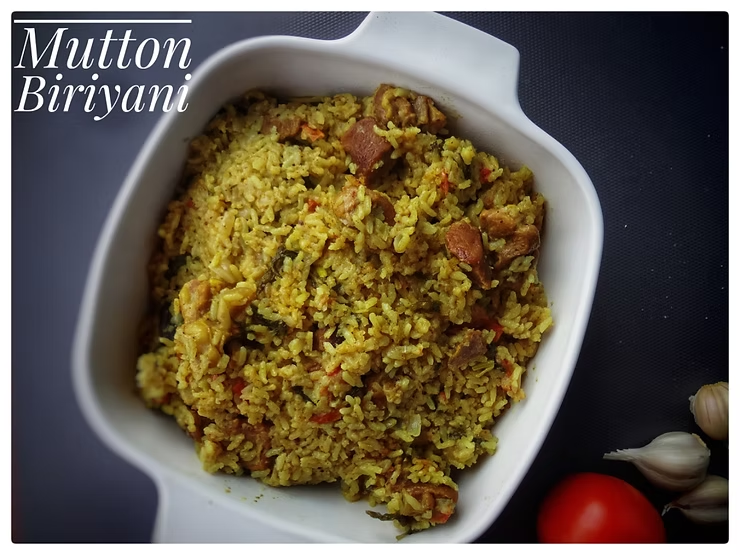
If you enjoyed this recipe, try our Tomato Biriyani for another easy homemade meal.
Conclusion
This vegetable biryani is proof that simple, everyday vegetables can create a celebration-worthy meal. With a short ingredient list, a one-pot method and a creamy coconut base, it is easy to bring to your table again and again.
Follow Baby Amma’s Kitchen
Enjoyed this recipe? Follow Ashha D.Raj for more South Indian favourites: