Table of Contents
Vattayappam Recipe: A Soft, Mildly Sweet Kerala Rice Cake
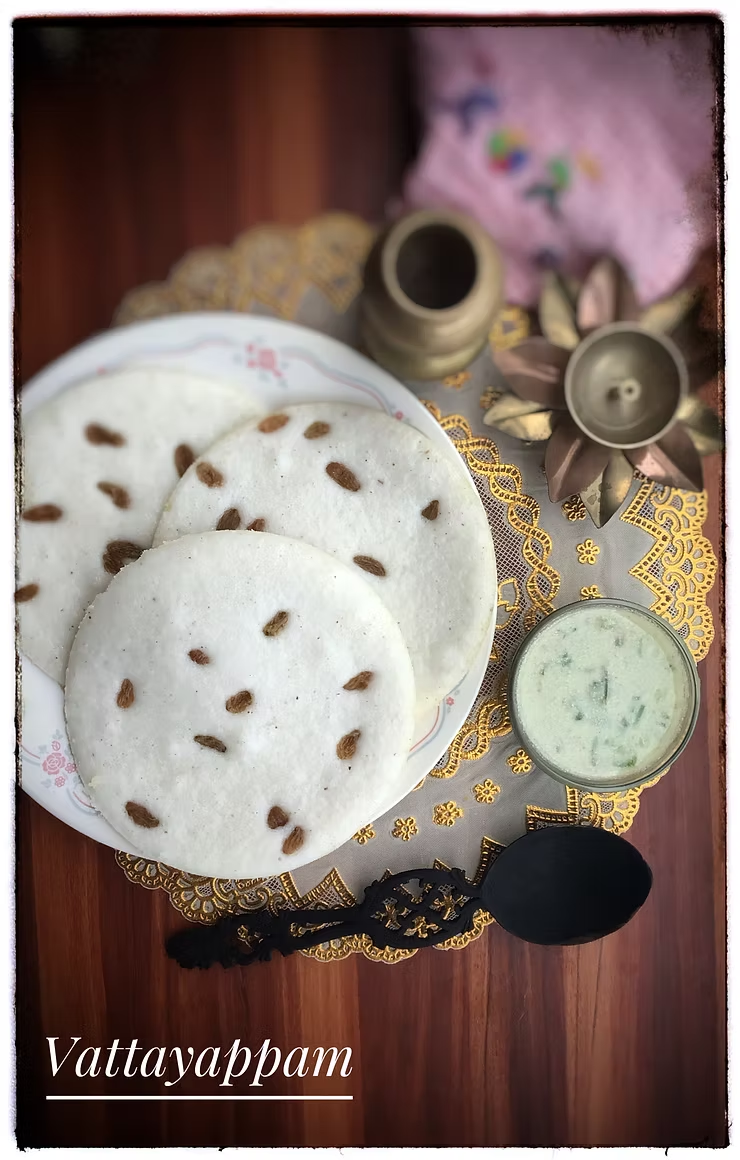
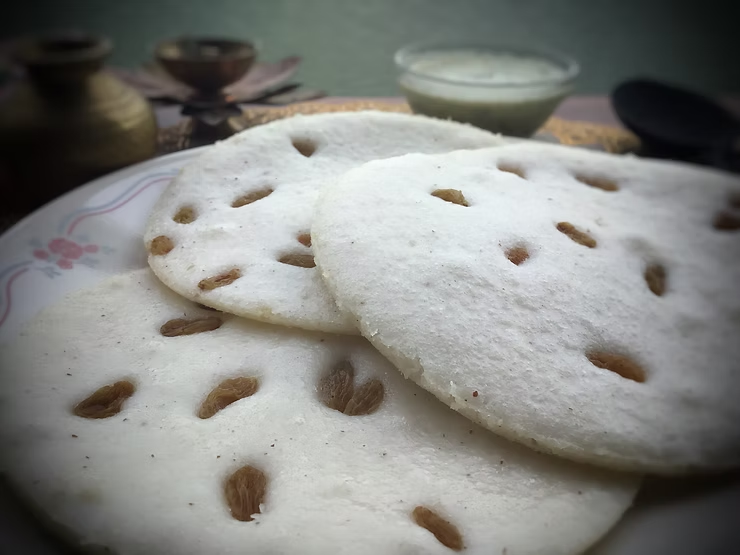
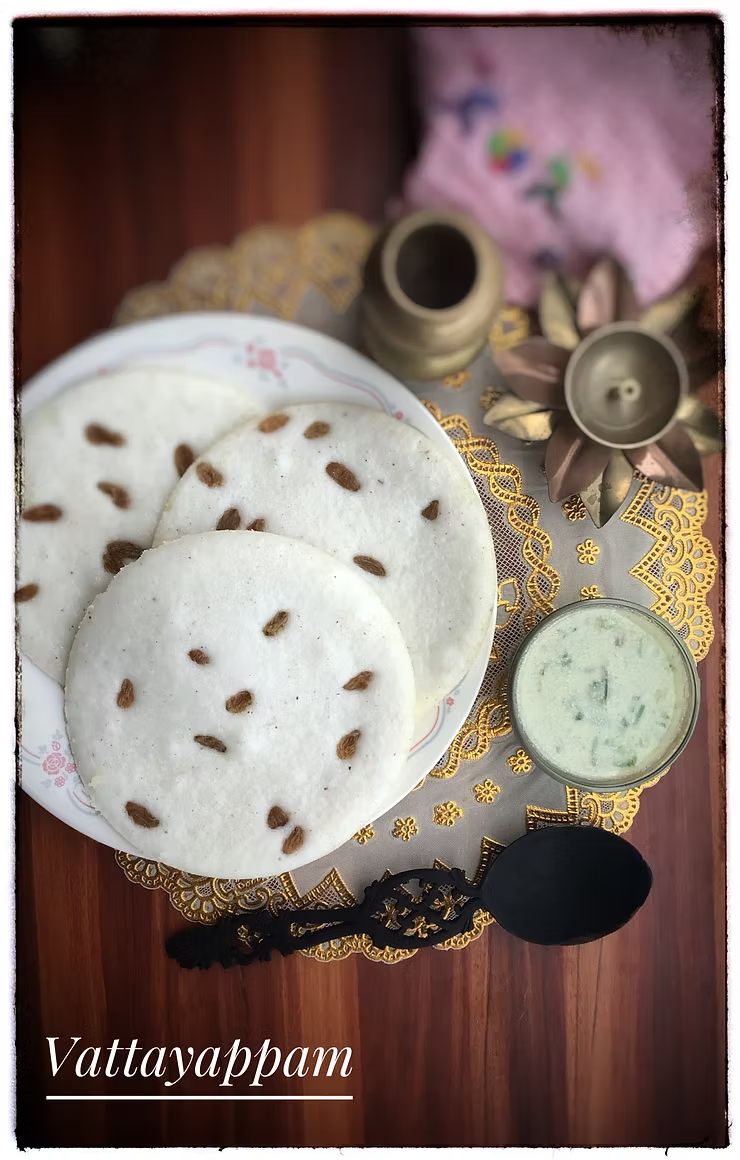
Pillowy, lightly sweet and scented with coconut and ghee, vattayappam is the kind of treat that makes a festive table feel complete. This vattayappam recipe turns soaked rice, fresh coconut and a little yeast into a steamed cake with a spongy, fluffy crumb. Ashha remembers it arriving at her home every Christmas from a close friend’s kitchen, and eventually she learned to make it herself. Now you can bring that same warmth to your table.
Recipe Creator – Ashha D.Raj
Recipe Overview
- Recipe name: Vattayappam
- Prep time: Not specified (rice soaks 5–6 hours, and the batter needs time to ferment)
- Cooking time: 30 minutes
- Total time: Not specified (soaking and fermentation add time)
- Servings: 3
- Cuisine / course: South Indian (Kerala-style) steamed appam
- Diet: Vegetarian
- Flavour profile: Mildly sweet, coconutty, soft
- Storage: Best within 1 day
Ingredients Overview
The batter
- Raw rice, 1 cup: the base, giving structure and a soft crumb
- Coconut, 1 cup (grated): moisture, richness and flavour
- Sugar, ¼–½ cup (to taste): sweetness, adjustable to your liking
- Salt to taste
The rising agent
- Yeast, ¾ tsp, with lukewarm water and ½ tsp sugar: ferments the batter so the cake turns light and airy
For the plates and topping
- Ghee, 1–2 tsp: greases the plates and adds fragrance
- Raisins, a few (optional): a chewy, fruity touch
Health Benefits and Nutritional Aspects
Rice gives you steady carbohydrate energy, and coconut adds healthy fats along with fibre. The recipe uses only a little ghee, which adds flavour and a gentle richness. All the ingredients are naturally gluten-free, but check your yeast packaging if you need to be strict.
Vattayappam is mildly sweet, and you can reduce the sugar toward the lower end of the range. Because it’s steamed, it needs no frying. As with any sweet bread-like cake, a modest portion is a sensible choice. I haven’t listed calorie values, since they depend on the sugar amount and portion size.
Step-by-Step Preparation
- Soak the rice: Soak for 5–6 hours. Overnight also works well.
- Grind the batter: Grind the rice with the sugar and coconut, using water. Keep the batter from getting too watery.
- Season: Stir in the salt.
- Add the yeast: Mix the yeast with lukewarm water and ½ tsp sugar, add it to the batter, and cover with a lid.
- Ferment: Leave the batter to ferment. The page doesn’t give a time, so wait until it looks risen and bubbly.
- Prepare the plates: Smear round plates with ghee and pour in the batter.
- Top (optional): Scatter raisins on top.
- Steam: Steam for 10–15 minutes.
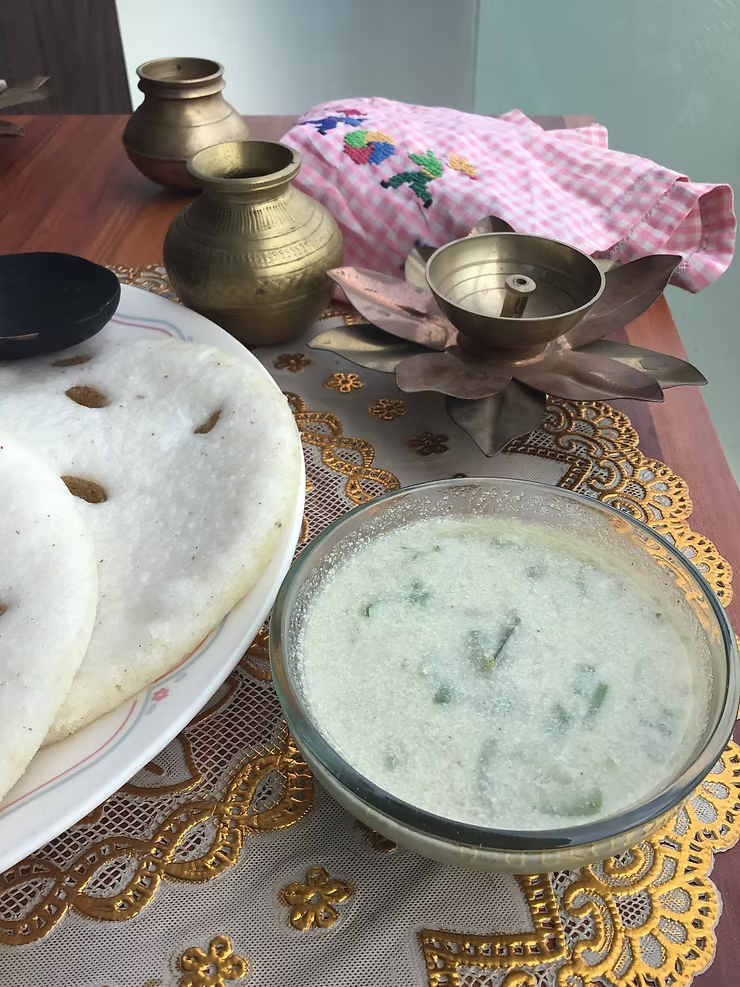
- Serve: Enjoy it hot, with chicken, mutton or beef stew.
Mistake to avoid: Making the batter too thin. A thick, pourable batter gives a fluffier cake.
Tips for the Best Results
- Use lukewarm water for the yeast. It can be weakened by overheated water.
- Grind the rice well so the cake turns out smooth.
- Add water in small splashes while grinding.
- Taste the batter for sweetness before it ferments, and adjust within the ¼–½ cup range.
- Grease the plates properly so the cakes release easily.
- Serve fresh and hot. Store leftovers covered and eat within a day, and steam briefly to refresh them.
Frequently Asked Questions
1. What does vattayappam taste like?
It’s soft and mildly sweet, with the flavour of coconut and a hint of ghee.
2. What should I serve it with?
The original recipe suggests chicken, mutton or beef stew.
3. Can I reduce the sugar?
Yes. The recipe allows ¼ to ½ cup, so start near the lower end.
4. Do I need to ferment the batter?
Yes. Yeast and fermentation are what make the cake light and fluffy.
5. Is it vegan?
Not as written, because it uses ghee, which is dairy.
6. How long does it keep?
About 1 day, going by the recipe’s storage note.
Try Another Sweet Treat
If you enjoyed this recipe, try Kalkandu Pongal for another delicious homemade meal.
Conclusion
This vattayappam recipe is proof that a few simple ingredients, a little patience and a steamer can create something special. Soft, fragrant and lightly sweet, it suits Christmas tables, tea time or any day you’d like to cook with a little extra care.
Follow Us
Follow Ashha D.Raj and Baby Amma’s Kitchen for more South Indian recipes: