Table of Contents
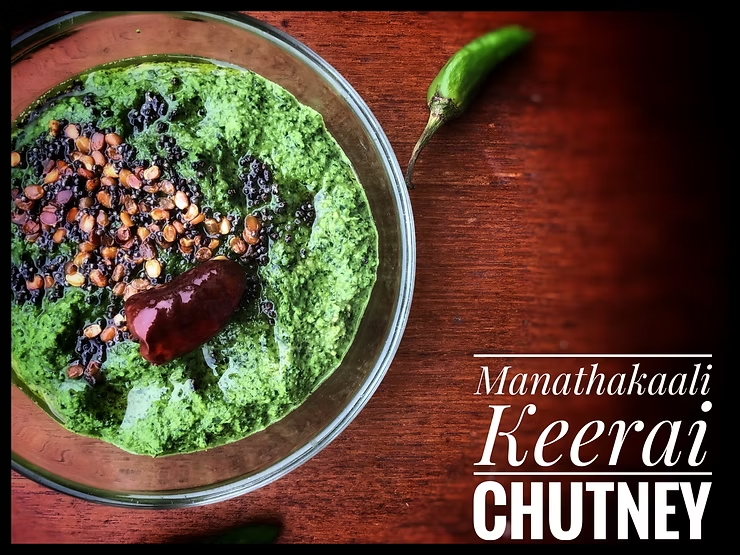
Manathakalai Keerai Chutney: A Rare, Healthy Greens Chutney
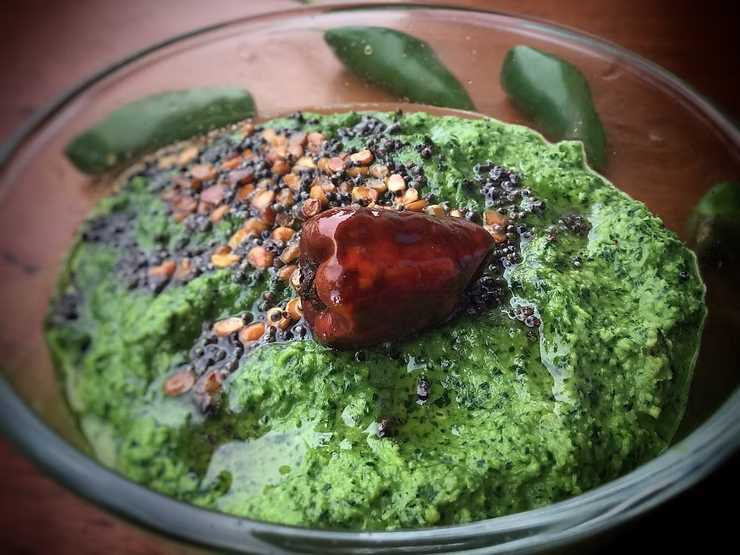
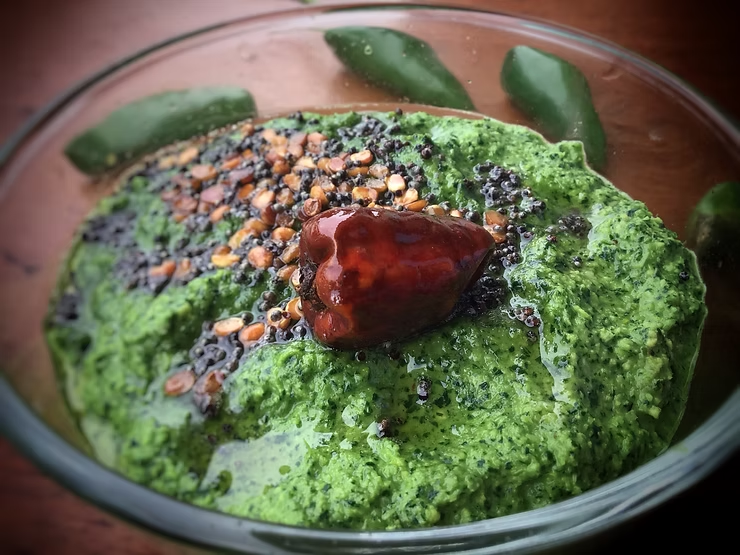
Most chutneys start with coconut or tomato. This manathakalai keerai chutney starts with leafy greens, and it’s a delicious surprise. Manathakkali keerai is sautéed with green chillies and curry leaves, then ground with coconut, puffed gram and a little tamarind. The result is earthy, tangy and lightly spicy, with a coarse, spoonable texture. Ashha calls it a rare combination, and says kids love it too.
Recipe Creator – Ashha D.Raj
Recipe Overview
- Recipe name: Manathakalai Keerai Chutney (also spelled manathakkali keerai chutney)
- Prep time: Not specified in the original recipe
- Cooking time: 25 minutes
- Total time: Not specified (25 minutes cooking, plus washing and grinding)
- Servings: 2
- Cuisine / course: South Indian chutney
- Diet: Vegetarian
- Difficulty: Easy
- Flavour profile: Earthy, tangy, mildly spicy
- Storage: Best within 1 day
Ingredients Overview
The greens
- Manathakalai keerai (black nightshade leaves), 1 cup: the earthy, leafy base
Flavour and heat
- Green chillies, 3: fresh heat
- Tamarind extract, 1 tbsp: gentle tang that balances the greens
- Curry leaves, a few: aroma
- Salt to taste
Body and texture
- Coconut, 2 tbsp: softens the flavour and adds richness
- Puffed gram, 1 tsp: thickens the chutney and adds a light nutty taste
Cooking and tempering
- Oil, 1 tsp
- Optional tempering: mustard, urad dal and red chilli (quantities not given)
Health Benefits and Nutritional Aspects
Leafy greens are a good way to add fibre, vitamins and minerals to a meal, and manathakkali keerai is a traditional favourite in Tamil cooking. Here the leaves are cooked until the water evaporates, which concentrates their flavour. Coconut and puffed gram round out the chutney with a little fat and plant protein.
The recipe uses just 1 tsp of oil, so the dish stays light. It’s vegan and naturally gluten-free as written, since it uses no hing. I haven’t listed nutrition values, since they depend on your greens and portion size. As with any chutney, a spoonful or two goes well alongside the main dish.
Step-by-Step Preparation
- Heat the oil: Warm 1 tsp oil in a kadai. Add the green chillies and curry leaves and toss.
- Add the greens: Add the keerai and saute.
- Salt and cover: Add salt, close the lid and cook for a bit.
- Dry it off: Open the lid and saute until the water evaporates.
- Add coconut and gram: Stir in the coconut and puffed gram and mix well.
- Grind: Grind to a coarse paste with the tamarind extract.
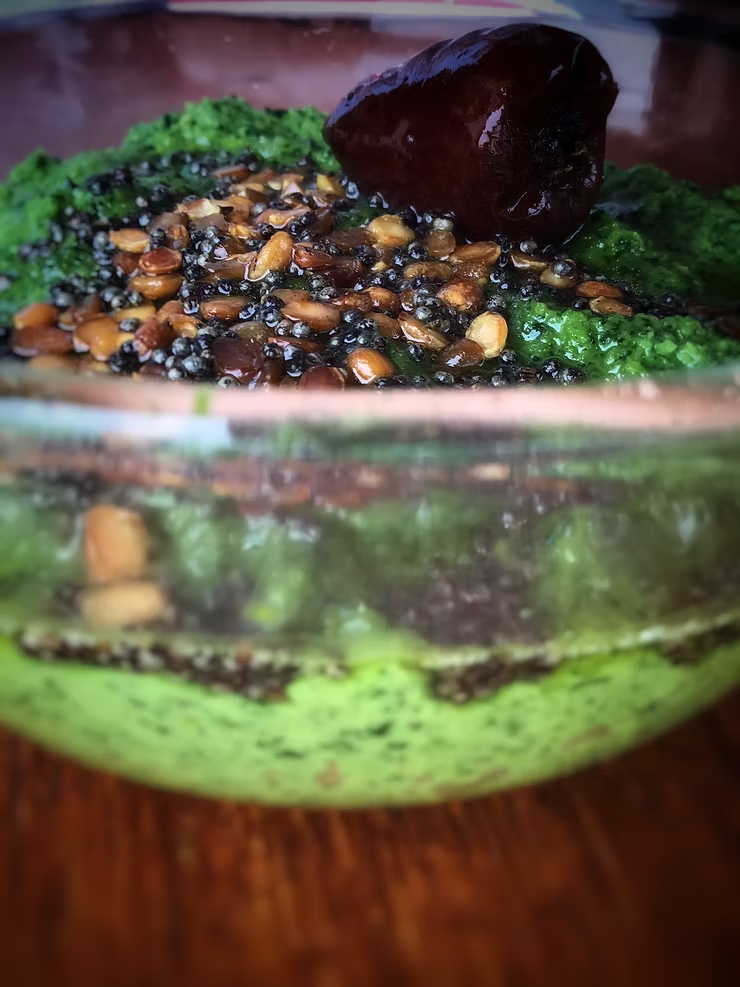
- Temper (optional): Finish with mustard, urad dal and a red chilli.
- Serve: Enjoy with rice, dosa or idli.
Mistake to avoid: Grinding it too smooth. A coarse paste is part of this chutney’s charm.
Tips for the Best Results
- Buy the greens from a trusted vendor, and use only the leaves. Cook them thoroughly, as this recipe does.
- Wash the keerai well to remove grit before cooking.
- Don’t skip the step of cooking off the water. It stops the chutney from turning watery.
- Add the tamarind gradually. One tablespoon is the suggested amount.
- Use fewer green chillies for a milder version that suits children.
- Store leftovers covered and eat within a day, and serve at room temperature.
Frequently Asked Questions
1. What is manathakkali keerai?
It’s black nightshade leaves, a leafy green used in Tamil cooking.
2. What does it taste like?
Earthy and mildly bitter, balanced here by tamarind and coconut.
3. What should I serve it with?
Rice, dosa or idli.
4. Can I skip the tempering?
Yes, the recipe lists mustard, urad dal and red chilli as optional.
5. Is it vegan?
Yes. It uses only greens, coconut, spices and oil.
6. How long does it keep?
About 1 day, according to the recipe’s storage note.
Try Another Chutney
If you enjoyed this recipe, try Ridge Gourd Peel Chutney for another delicious homemade meal.
Conclusion
This manathakalai keerai chutney proves that leafy greens can be the star of a chutney. A quick saute, a coarse grind and a touch of tamarind give you something unusual and comforting. Serve it with idli, dosa or hot rice, and see how quickly it disappears.
Follow Us
Follow Ashha D.Raj and Baby Amma’s Kitchen for more South Indian recipes: