Table of Contents
Nattu Selavu Rasam Recipe: A Grandmother’s Festive Rasam with a Roasted Masala
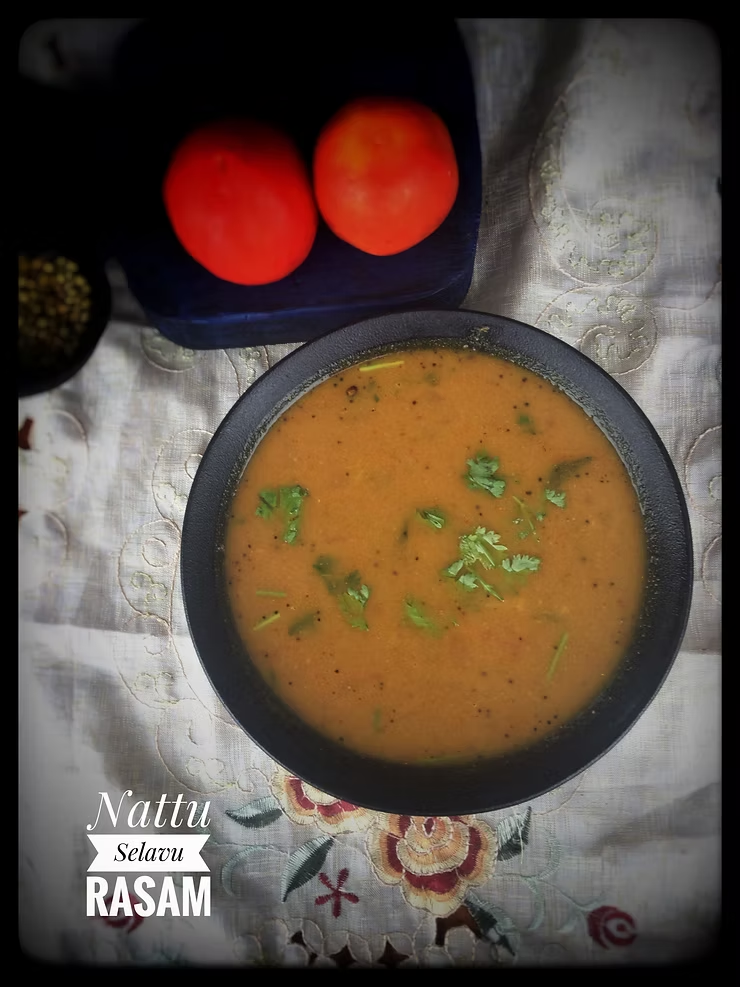
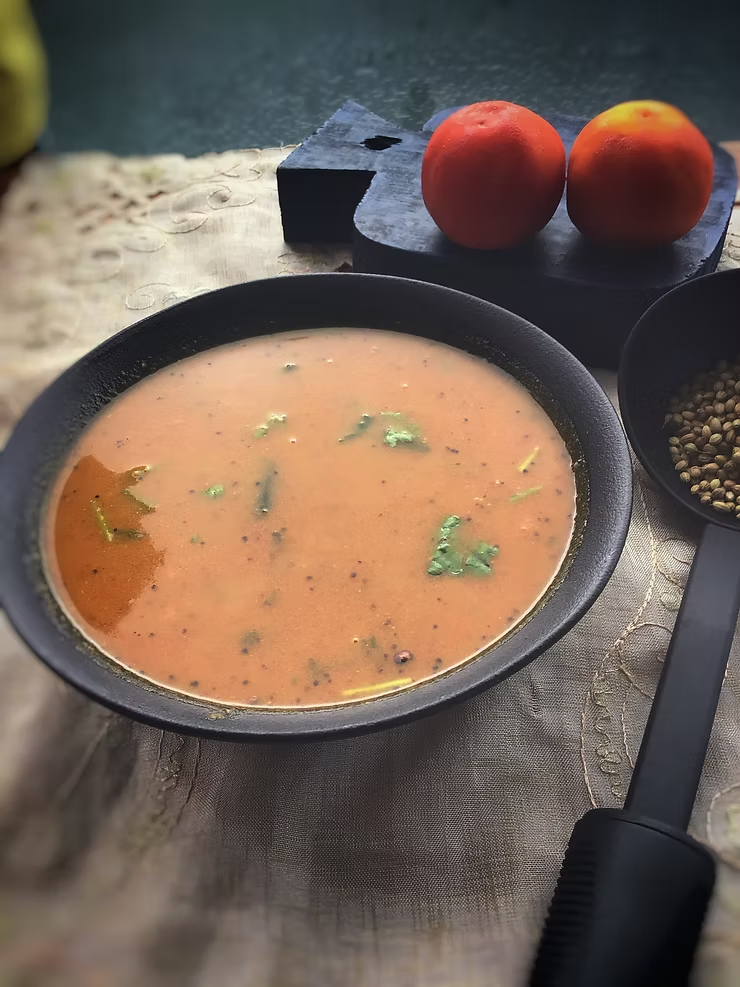
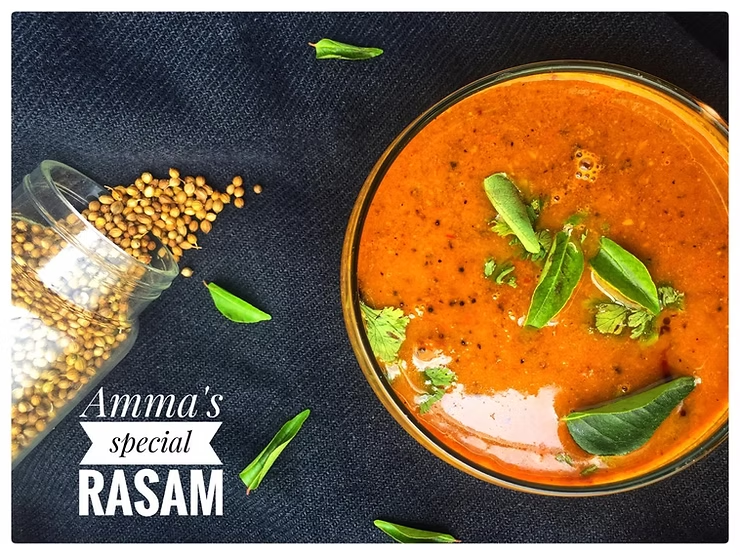
Some recipes are born from clever leftovers. This nattu selavu rasam started that way. Ashha’s grandmother had a roasted masala she normally made for mutton or chicken gravy. For a family festival, she borrowed it, added tangy tomato and tamarind, and made a rasam that the whole family loved. It’s tangy, peppery and deeply savoury, with a roasted aroma that regular rasam doesn’t have. It also takes roughly twenty-five minutes.
Recipe Creator – Ashha D.Raj
Recipe Overview
- Recipe name: Nattu Selavu Rasam
- Prep time: Not given on the page
- Cooking time: 25 minutes
- Total time: Not given (25 minutes plus chopping and grinding)
- Servings: 3
- Course: South Indian rasam
- Diet: Vegetarian
- Flavour: Tangy, spicy, roasted, aromatic
- Storage: Best within 1 day
What Goes Into It
The roasted masala (fried, then ground)
- Red chillies, 2: heat
- Small onions, 3–4: sweetness and body
- Coriander seeds, ¾ tsp: earthy fragrance
- Curry leaves, a few, and a little oil for frying
The rasam base
- Tomato, 1 (chopped), and tamarind extract, 1 small cup: the tang
- Small onions, 4–5 (chopped), and garlic, 2–3 (crushed): savoury depth
The tempering
- Mustard, ¼ tsp, and urad dal, ¼ tsp: crunch and aroma
- Ghee, 1 tsp, curry leaves, a few
Also listed
- Turmeric, ¼ tsp, and asafoetida, ¼ tsp (the method doesn’t say when to add them)
- Salt to taste, and coriander leaves to garnish
A Word on Health
Rasam is a light, tangy dish, and tomato adds vitamin C while tamarind brings the sourness. Garlic, small onions and coriander seeds flavour it without heavy fat, and the recipe uses just 1 tsp of ghee for tempering.
It’s vegetarian, vegan if you swap the ghee for oil, and naturally gluten-free, though some asafoetida contains wheat flour, so check the label. I haven’t given nutrient numbers, since they depend on your portion size.
How to Make It
- Fry the masala. Heat the oil in a kadai, then mix in the curry leaves and red chilies.
- Add onions. Add the small onions and brown them.
- Add coriander seeds. Fry well until you smell the aroma.
- Grind. Blend everything to a paste.
- Temper. Splutter the mustard and urad dal, then melt the ghee..
- Add the aromatics.Toss in the chopped garlic and onions.
- Add tomato. Cook until mushy.
- Add the tamarind. Pour in the tamarind extract and let it boil until it thickens slightly.
- Add the paste. Stir in the ground masala with ½–1 cup of water and boil until the raw smell goes away.
- Garnish with coriander leaves and serve hot with rice and papad.
The one thing to avoid: serving it too soon. The raw smell of the paste needs to be gone.
Little Things That Help
- Brown the small onions properly. They carry the flavour of the masala.
- Fry the coriander seeds until aromatic, but not dark.
- Let the tamarind thicken a little before adding the paste, as the recipe says.
- Add the water gradually, within the ½–1 cup range, depending on how thin you like rasam.
- Use fewer red chillies for a gentler rasam.
- Store leftovers covered and warm them gently, going no further than a light simmer.
Questions People Ask
What makes this rasam “nattu selavu”? It uses a roasted masala that’s usually reserved for mutton or chicken gravy.
What does it go with? Steamed rice and papad.
Is it spicy? Moderately, with 2 red chillies in the masala.
Can I skip the garlic? The recipe includes it for depth, so skipping it will change the flavour.
Is it vegan? It can be, if you use oil in place of the ghee.
How long does it keep? About a day, going by the recipe’s note.
Try This Next
If you like tangy rasam, try Lime Rasam for another comforting homemade bowl.
In Short
This nattu selavu rasam shows how a family masala can be reborn as something new. A roasted paste, juicy tomato and tangy tamarind come together in about 25 minutes. Serve it with rice and papad, and pass on a grandmother’s trick.
Follow Ashha