Table of Contents
Selavu Rasam: A Cozy Pepper Rasam from South India
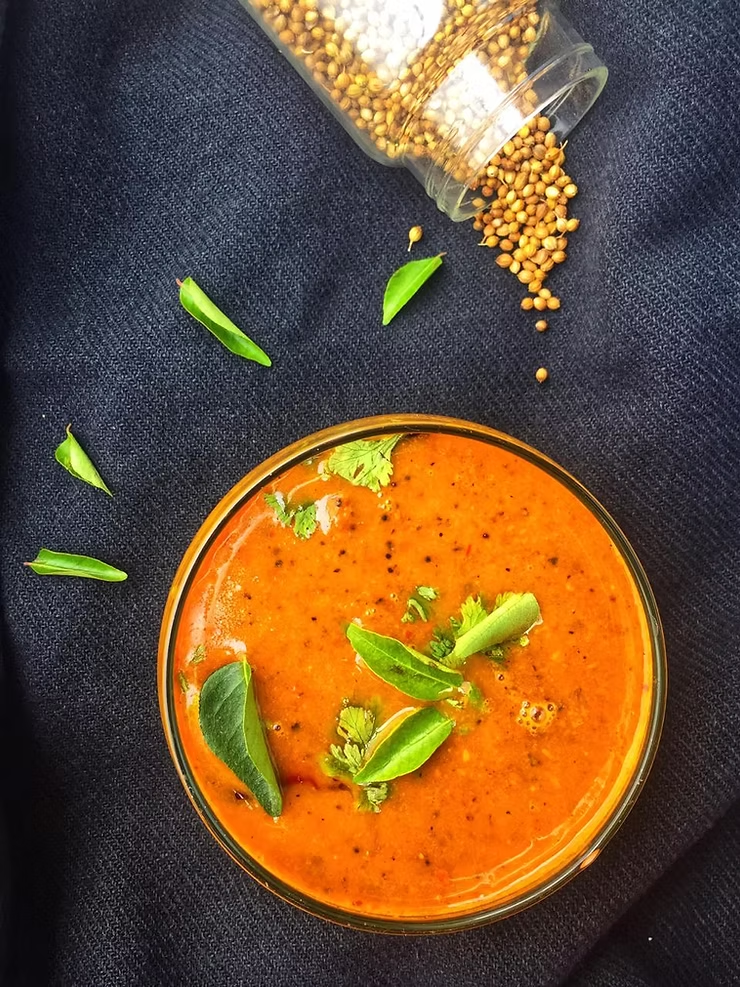
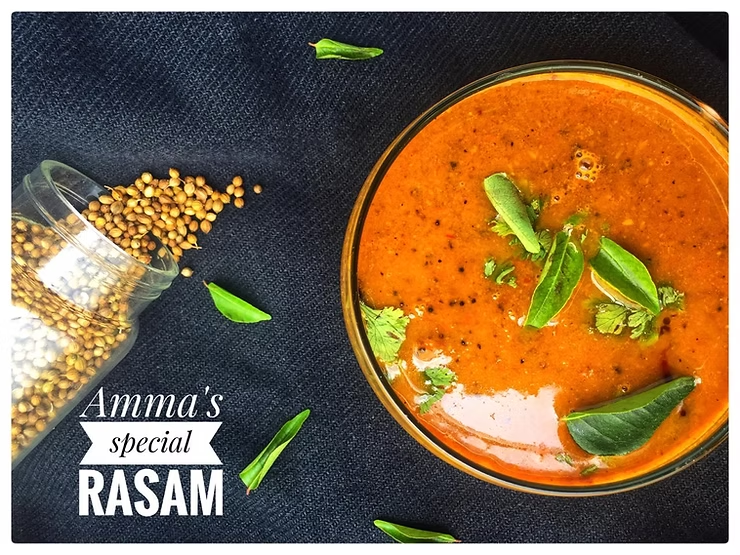
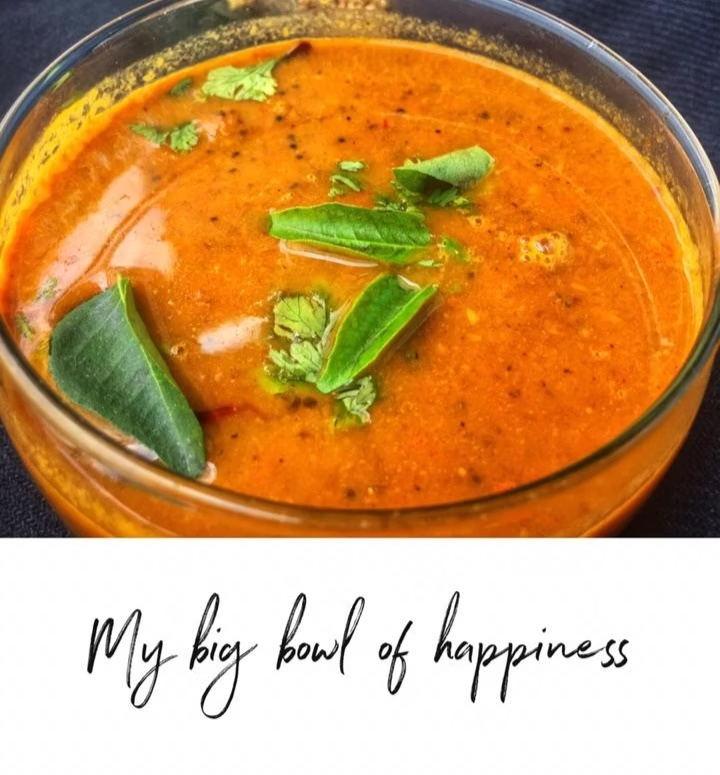
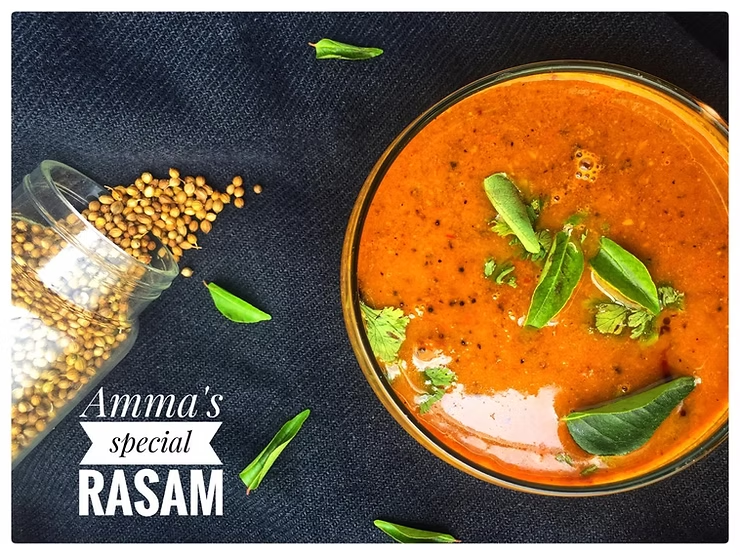
Some cuisines are like a warm hug for the soul and one of the specialties of that type is the selavu rasam. The taste is peppery and sour with the sweetness of fried onions, soft tomato, and spices added in to create the balance.
It’s an easy recipe from the South Indian kitchen that many families turn to when they want something light and spicy.
Recipe Creator – Ashha D.Raj
Recipe Overview
- Recipe name: Selavu / Pepper Rasam
- Preparation time: [add if available]
- Cooking time: 20 minutes
- Total time: [add if available]
- Servings: 3 to 4 people
- Cuisine/category: South Indian, Relishable Rasam
- Diet: Vegetarian
- Difficulty: [add if available]
- Flavour profile: Peppery, tangy, spicy and aromatic
List of Ingredients
The base of rasam
- The sweetness and body come from the small onions (around 7 to 8), and then the tangy taste comes from the tamarind (one inch piece).
The spices
- The key spice is pepper (¾ of a tsp which can be increased) that gives that spicy flavor to rasam.
- Cumin (1 tsp), coriander powder (1 tsp), and two red chilies make a mixture of flavors.
- Garlic (3 cloves)drops a bite of flavor.
The tempering
- Ghee (around 1 to 2 tsp), seeds of mustard (½ tsp), and curry leaves (from 6 to 7) can be used.
The garnishing
- Salt can be used according to taste with some leaves of coriander can be used to garnish.
Health Benefits and Nutritional Aspects
Nutritional and Health Benefits This is a light dish, which is similar to soup. The tomatoes in it provide vitamin C, while the pepper, cumin, and garlic provide the dish with a strong taste. The small onions and curry leaves add aroma, along with a small amount of fiber. The absence of dal in the recipe indicates that it is not a significant source of protein. So, it should be eaten along with rice and a protein source. The recipe requires just 1-2 tsp of ghee, resulting in a low-fat dish.
Process of Making the Dish
- Take a pan and heat a teaspoon of ghee in it.
- Add red chillies, curry leaves, and small onions to it and cook until the onions turn brown in colour.
- Now add tomatoes and cook till the tomatoes are properly mashed or cooked.
- Put cumin, black pepper, tamarind pulp, and coriander powder in the pan and turn off the flame.
- Now grind all ingredients into a paste.
- In the same pan take some ghee and heat it.
- Add mustard seeds and let them crackle.
- Add curry leaves.
- Put the paste and adjust the consistency of the mixture by adding appropriately measured water.
- Let it boil slowly till the smell of raw ingredients goes off.
- Garnish dish with fresh coriander leaves.
Tips for Excellent Results
- Cook the onions slowly to sweat them rather than burning them.
- Season the pepper to your taste per recipe characteristics.
- Gradually add water until the cooked rasam reaches the consistency you like.
- Do the boiling in low flame so that the flavors are allowed to combine slowly.
- Save leftovers in the refrigerator for reheating, keeping in mind that the recipe mentions a 1-day storage time.
Frequently Asked Questions
What is selavu rasam?
Selavu Rasam refers to a typical South Indian pepper rasam prepared with a frying and grinding of a mixture of tomato, onion, and other spices.
What should I pair it with?
Selavu rasam can be served with steamed rice and many other South Indian foods although the source does not explain this.
Can I make it spicier?
You can increase the amount of pepper since the recipe states the amount is according to your preferences.
Is it vegan?
The recipe indicates that it is not vegan as ghee is used during preparation. However, you can use oil instead but it should be verified first.
Can I use it for soup?
The recipe is written as rosam to be served as part of the meal only.
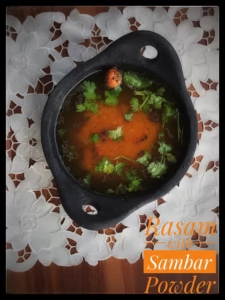
In case you liked this particular recipe, you should definitely try Rasam using Sambar Powder for yet another simple South Indian rasam recipe.
Final Thoughts
The recipe for selavu rasam is straightforward but spicy enough to tickle anybody’s taste buds.
Follow Baby Amma’s Kitchen